
Amidst the ongoing occupation and genocide in Palestine, how do qualitative health researchers navigate their work and find their voice? What kind of research is it possible or ethical to do under siege? This episode delves into the courage, resilience, and ethical considerations that researchers from this region grapple with, touching upon the broader implications for academic freedom and advocacy.
Podcasts
Peter West-Oram on government influence in research
In October 2023, then-minister Michelle Donelan accused members of UK Research and Innovation’s EDI committee of holding “extremist views” based on their social media comments on Palestine. She was subsequently forced to retract her statement, but the response from UKRI raised broader questions about whether and how government should be able to influence research. Peter and Sohail get into the details of this debate, covering culture wars, litigious article authors, and more.
Ginger Johnson on qualitative research in emergency response
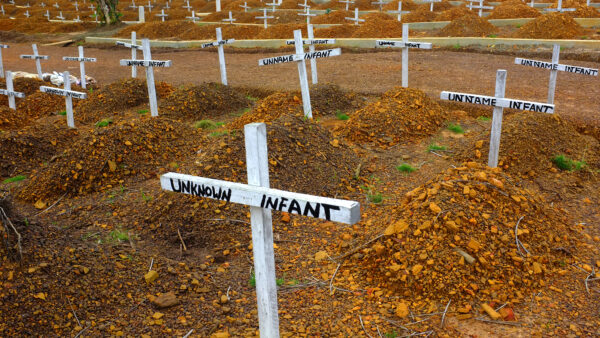
In this episode we challenge the misconception that qualitative research is too slow and narrow to influence emergency response planning. Despite the common preference for quantitative data in crises, we spotlight the irreplaceable insights that qualitative research provides—insights into human behaviour, cultural context, and community dynamics that are crucial during emergencies. Join us as we explore real-world examples where nuanced, qualitative data has informed swift, culturally sensitive, and effective emergency responses, proving that in the heat of the moment, every narrative counts.

Tiarna Lee on the machine behind the method
Sohail speaks to 3rd year PhD student Tiarna Lee to explore the frontier of AI’s role in health research. From ethical considerations to methodological accuracy, join us as we dissect the potential and pitfalls of integrating AI in research. We ask, “can you have qualitative health research without the heart and soul?”

Kirsten Bell on profit and pricing in academia
In July 2023, all 44 editors of the acclaimed Critical Public Health journal simultaneously resigned, citing concerns about Taylor and Francis’ pricing system. They went to found a new independent journal, the Journal of Critical Public Health. We speak to one of the editors who resigned, who sheds light on the intricate dynamics between profit, pricing, and the neoliberal influence on qualitative health research.

Joy Llewellyn-Beardsley on lived experience in interpretation
This episode reflects on how lived experience can engender insights, support the interpretative process and enhance the trustworthiness of qualitative research.

Elaine Keane on Constructivist Grounded Theory
Elaine Keane from the University of Galway discusses the origins of constructivist grounded theory before she and Sohail dive into the details of its interpretive processes.

Alda Terracciano on Interpreting Creative Data
Sohail speaks to artist, academic, and activist Alda Terracciano to explore how visual art and theatre can open up qualitative research into sensitive or stigmatised topics.

Michael Larkin on Leaning into interpretation in IPA
This episode reflects on the history and theory of Interpretive Phenomenological Analysis, and the insights IPA can bring to key questions actively being debated across qualitative research.

Shira Birnbaum on supporting the interpretive process
Qualitative Open Mic: Making Interpretations Episode 1 – Shira Birnbaum on supporting the interpretive process

Nishita Nair on marginalised researchers’ ethical processes
We explore Nishita’s research on whether social research ethics codes and institutional processes effectively aid researchers working with ethnic minority communities in the UK.

Maria Cristina Quevedo-Gómez on Culture and Ethics
In this episode, Cris discusses how culture and ethics interact, in terms of both institutional regulations and cultural societal differences