
Qualitative Lead(s)
Dr Sharli Paphitis
Project Lead & Team
Prof Sian Oram (PI), King’s College London – Women’s Mental Health
Dr Sharli Anne Paphitis (Joint PI), King’s College London – QUAHRC
Dr Siofra Peeren (Research Associate), King’s College London
Peer Researchers and Public Co‑Applicants from the VAMHN Lived Experience Action Group (LEAG)
Project Dates
2025–2026 (18 months)
Funding Source(s)
NIHR Research for Patient Benefit (RfPB)
Qualitative Design used
- Participatory and Creative Research
- Exploring Illness, Wellbeing and Recovery Experiences
- Developing and Adapting Interventions
- Survivor Research
Field of Research
Coercive control; domestic abuse; mental wellbeing; survivor research; trauma informed care; participatory qualitative research; NHS mental health services
Geographic/Contextual Setting
England; NHS secondary mental health services; community and survivor led settings
This survivor‑centred study aims to understand how survivors of coercive control define and experience mental wellbeing over time, and to identify the factors and resources that support it. Using qualitative interviews, participatory arts‑based workshops, and a national mapping of NHS services, the project will develop a survivor‑informed theoretical framework to inform future interventions and service delivery.
Qualitative Approach and Methods
Aim of the qualitative component
To develop a survivor‑informed theoretical framework for mental wellbeing following coercive control by exploring how survivors understand wellbeing, the resources and processes that support it over time, and the contexts in which support is accessed or constrained.
Qualitative methodology
Grounded theory combined with participatory and arts‑based methods, underpinned by a trauma‑sensitive and salutogenic orientation.
Which qualitative methods were used?
- Semi‑structured qualitative interviews
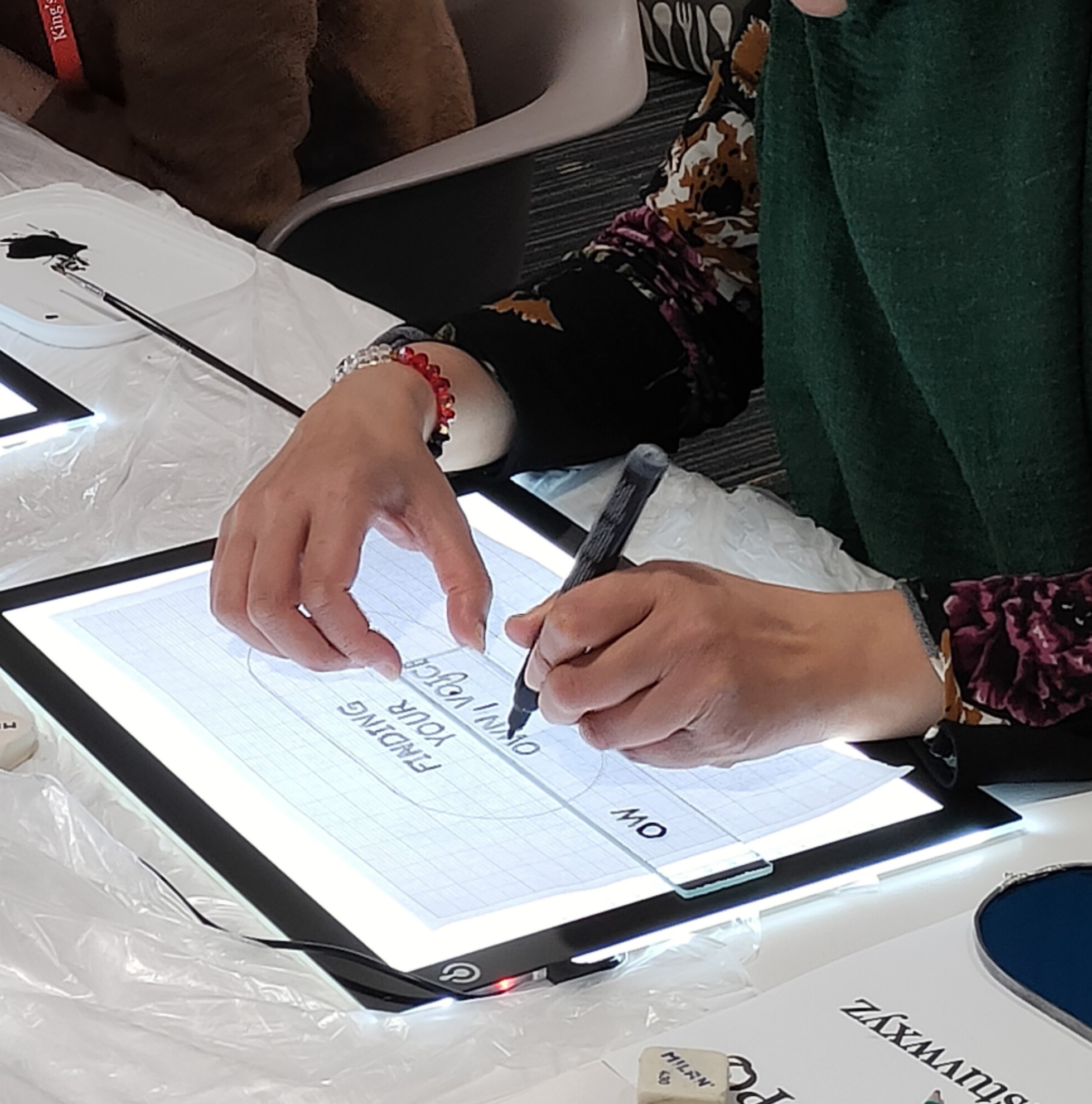
- Participatory arts‑based workshops using collaborative concept mapping
- Stakeholder engagement workshop (applied qualitative / framework analysis)
Sampling & recruitment
Survivors aged 18+ residing in England who self‑identify as having experienced coercive control are being recruited through NHS mental health trusts, domestic abuse and community organisations, survivor‑led networks, and social media. Sampling combines stratified purposive and theoretical approaches to ensure diversity across gender, ethnicity, sexuality, disability/neurodivergence, and service use. Safeguarding domestic abuse practitioners are being recruited nationally (one per mental health trust) for the service‑mapping component. Peer researchers with lived experience were embedded throughout.
Data analysis: how the team made sense of the data
Interview data are being analysed using constant comparative grounded theory methods (open, axial, and selective coding) to develop core concepts and relationships. Arts‑based workshops are using collaborative concept mapping to visually and collectively identify wellbeing resources and processes. Findings from multiple qualitative components are being synthesised through iterative theorisation to develop a coherent, survivor‑informed framework. Reflexive team‑based analysis and PPI co‑analysis will be integral throughout.