

This facilitated conversation brings together Olivia Matshabane and Monique Botha to examine how power, inclusion, and knowledge operate across neurodiversity research. Drawing on Olivia’s and other African scholars’ scholarship thinking about African neuroethics, cultural humility, and community-centred models of care, and Monique’s scholarship on neurodiversity as a collective, activist-led framework, the discussion will question whose knowledge shapes research agendas and whose lives are marginalised by dominant clinical and academic models. Together, they will explore what more accountable, political and decolonial directions in neurodiversity research might look like.
Theme
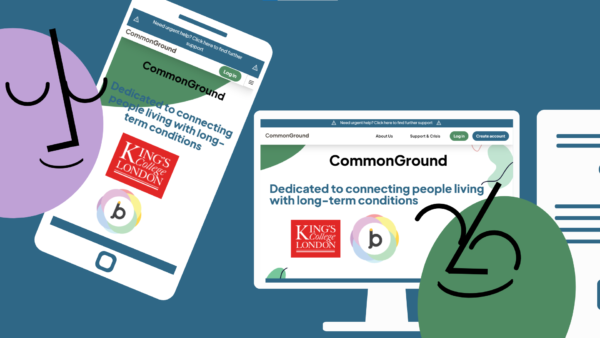
CommonGround
Co-produced Online Peer Support and Psychoeducation for People Living with Long-Term Physical Health Conditions
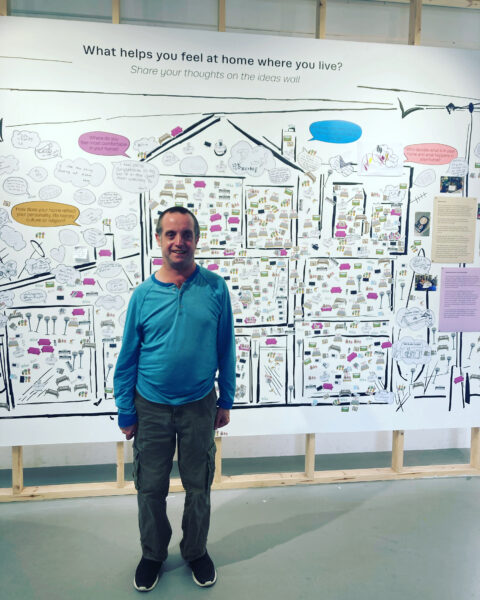
Deborah Chinn on the Feeling at Home photovoice project with people with learning disabilities
Deborah Chinn is a Senior Lecturer in the Faculty of Nursing, Midwifery and Palliative Care and also works as a lead clinical psychologist in the Hackney Integrated Learning Disability Service. She uses qualitative and participatory research methods in her research with people with learning disabilities and is currently leading a project that uses conversation analysis to understand shared decision making in health care with people with learning disabilities.
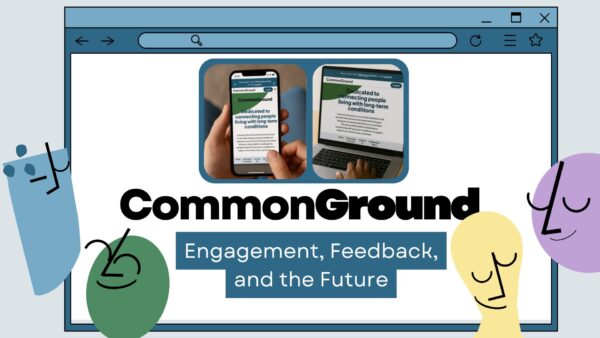
Insights from our first CommonGround trial: engagement, feedback, and the future
The CommonGround team shares findings and insights from their trial of an online peer support platform for those living with long term health conditions.

Ella Parry-Davies on co-researching outcomes for domestic workers after trafficking and exploitation
Dr Ella Parry-Davies is a lecturer at King’s College London, where she works on social justice-focussed research in collaboration with experts-by-experience, primarily in the migration and anti-trafficking sectors. Taking up performance as a co-creative research method, she has worked most extensively with migrant domestic workers in the UK and Lebanon, and her book Intimate Inequalities: Performing Migrant Domestic Work is forthcoming with Northwestern University Press in September 2025. In this blog post she discusses the findings of research on the outcomes for workers who had survived trafficking and returned to the Philippines as their country of origin.

Damian Milton on double empathy and autistic worlds
How have mainstream theories of autism missed the mark by failing to qualitatively explore internal autistic worlds? Sohail speaks to legend among autistic autism researchers Dr Damian Milton about the double empathy problem and its broader implications for neurodivergent and neurotypical-led research.
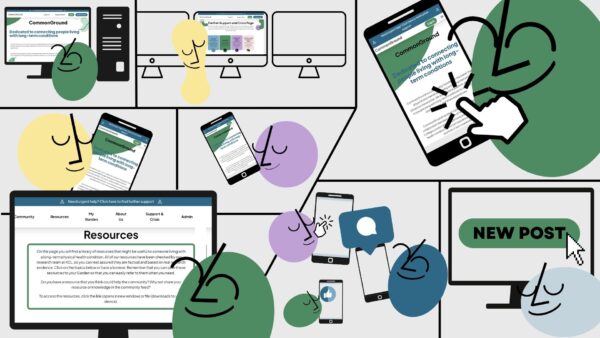
Peer Support in Action: Observations from the CommonGround community
The CommonGround research team share reflections on watching the birth and growth of a peer support online community for people with long-term conditions.

Hyab Yohannes and Tesfalem Yemane on refugee-led scholarship
Why are there limited voices from sanctuary seekers in qualitative research about migrant health? Tesfalem Yemane and Hyab Yohannes bring a vital perspective on ‘refugee-led scholarship’, dissecting the challenges and significance of broadening the scholarly space to include those who have first-hand experience seeking sanctuary. They discuss how dominant political agendas and interests influence the kind of questions we’re able to ask around migration and mental health, as well as how we might be able to ask them.
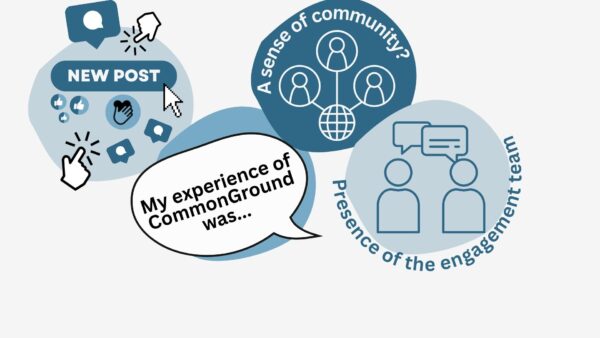
“Are you engaged?” How do we measure user engagement on CommonGround?
In the second of their blogs on engagement, Hannah Jones and Grace Lavelle explore further the idea of engagement in online communities in relation to CommonGround, a peer support community for people living with long-term conditions. What is the best way to measure engagement appropriately for this unique project?
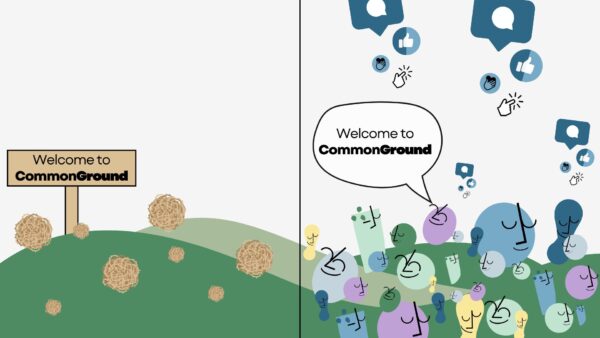
CommonGround: avoiding tumbleweeds in the community
Hannah Jones and Grace Lavelle from the CommonGround project reflect on the idea of engagement in online spaces and how it applies to CommonGround’s online peer support community for people with long term conditions. They discuss the questions: what is ‘engagement’ in online communities and what kind of engagement do we hope to observe on CommonGround?