
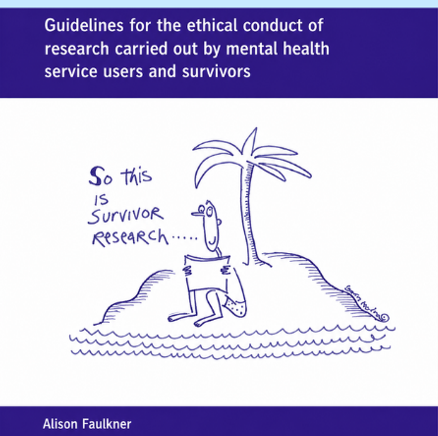
What changes when ethics is viewed from the perspective of survivors? In 2004, I developed guidance on the ethics of survivor research for the Joseph Rowntree Foundation. The process highlighted many of the challenges I had encountered as a researcher with lived experience navigating academic research, challenges that remain strikingly familiar today. Research ethics committees often focus on protection and vulnerability, while creating barriers to people with lived experience becoming researchers and to conducting research that engages meaningfully with distressed participants. Since then, new ethical questions have emerged, particularly around digital and social media research, while many of the original dilemmas remain unresolved. This seminar reflects on what has changed, what hasn’t, and what research ethics might look like when survivor perspectives shape it.
Alison Faulkner is a survivor researcher and trainer in mental health with over 30 years’ experience of working in mental health research and consultancy. She has a particular interest in survivor research as a result of her personal experiences of using mental health services, and the personal & political belief in the right of people with lived experience to contribute to the mental health research and service agenda. She has worked for most of the major mental health charities, including the Mental Health Foundation, the Centre for Mental Health, NSUN (the National Survivor User Network), Mind and Together for Mental Wellbeing. She has a PhD from City, University of London: Knowing Our Own Minds: the role and value of experiential knowledge in mental health research.