For you, by you: Developing online peer support for people with long-term conditions
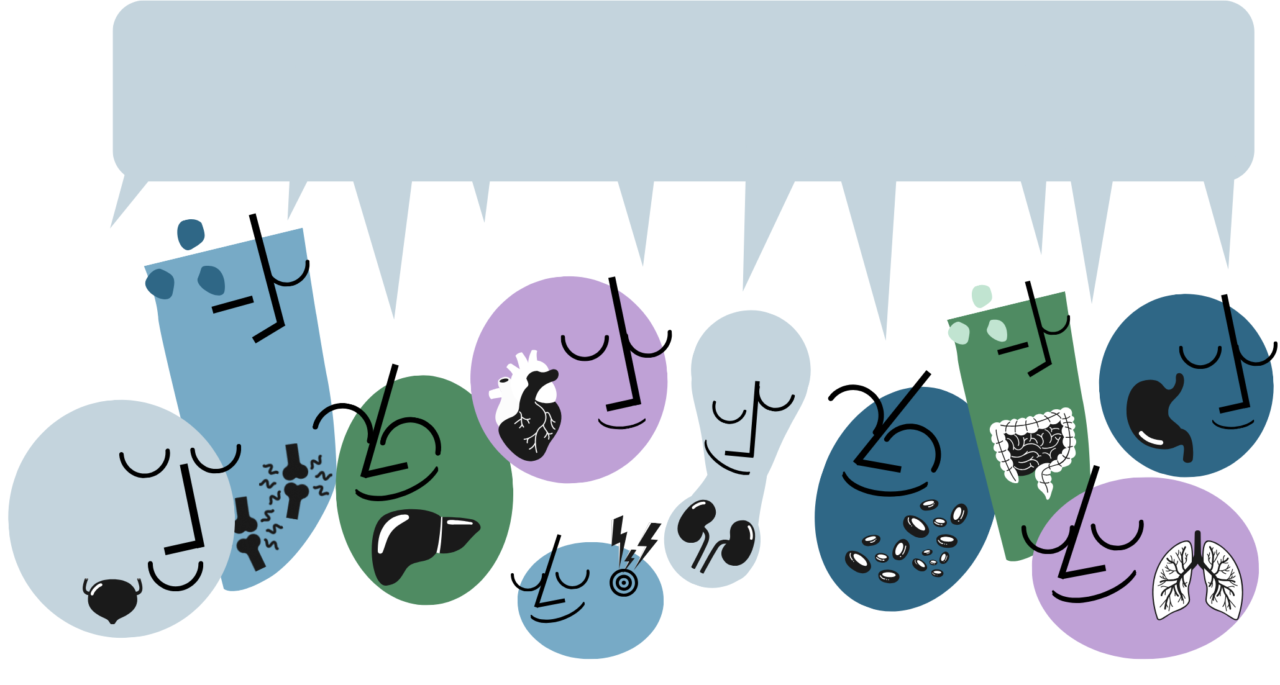
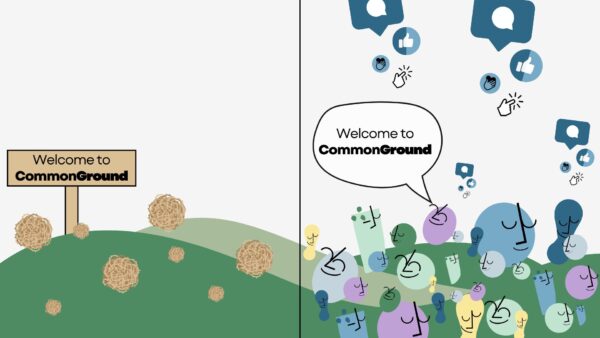
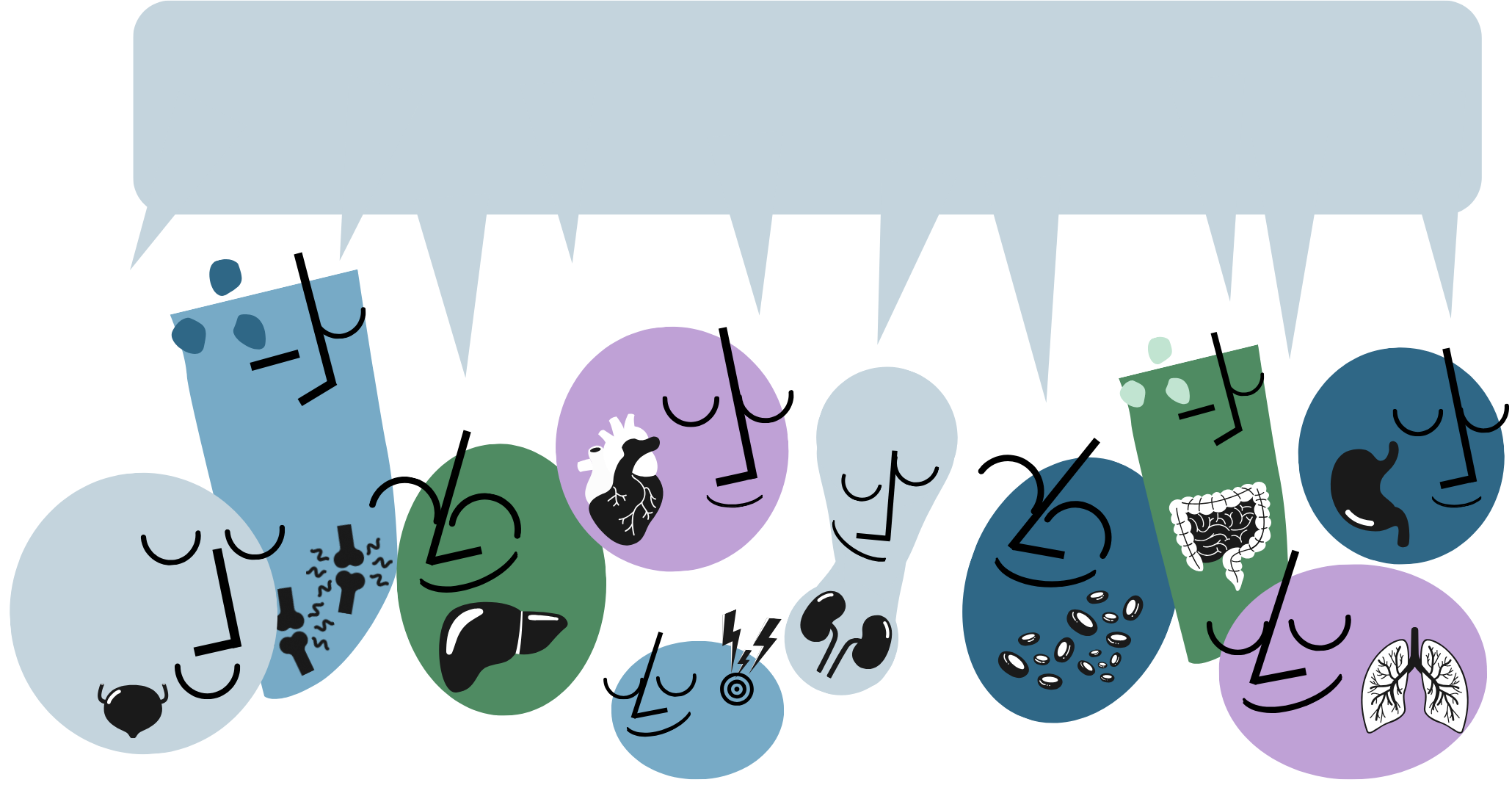
Traditionally, the support networks that people living with long-term conditions are directed toward are condition specific, assuming that people with the same diagnosis are best placed to support one another. However, people may connect on more than just their diagnosis, including the broader commonalities of living with any long-term condition or how they choose to spend their free time. A team from King’s College London therefore wanted to create an ‘all diagnoses are welcome’ community. It is hoped that this inclusive peer support community could maximise the chance of people with long-term conditions finding a place where they feel they belong and form genuine connections.
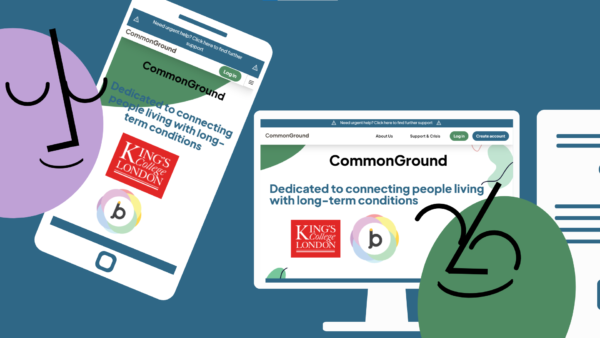
We chose to create the inclusive community online because it is an accessible, inexpensive, and scalable way of connecting people with long-term conditions whenever and wherever they need support. We knew we needed to collaborate with people with lived experience to co-produce the online peer support platform, that we have called ‘CommonGround’ – a name chosen to reflect the bringing together of people with various conditions based on their common ground. The voices of our panel of people with lived experience of long-term conditions shaped the features, functions, and feel of our platform to make it an inclusive space.
Once the prototype was ready, a new group of people with lived experience who had not been involved in creating the platform helped us test the suitability of the platform. To find out what they thought, our first round of usability testing asked questions including ‘is it user friendly?’ and ‘is it accessible?’. They helped us identify bugs and glitches and also gave us specific suggestions for new features. Their positive feedback also included that when testing it out, the purpose of the platform was clear. When asked why they may use our platform, they told us that a platform like ours could help to fulfil some of their social and well-being needs, as they can give and receive support with people who are outside of their current support systems.
The below word cloud shows the top words that were used by our participants when describing what they thought that the purpose of our platform was.

What happened next?
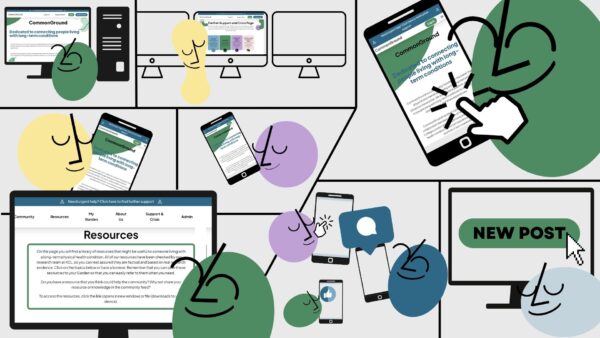
We collaborated with software developers at BitJam (and previously TOAD) and a Patient Public Involvement group to create solutions for problems identified in the early stages of our research and brainstorm new features. Together we developed features specific to the unique needs of our users. For example, through discussions relating to ‘how can I communicate my emotional state so that the community knows how best to respond to my post?’ we developed a ‘how am I feeling right now’ feature. This feature allows users to simply indicate how they are feeling through an emoji that appears alongside their post, allowing the community to better understand how they could respond, for instance by considering: does the user want empathy or are they looking for specific advice? Should I make them feel heard, or share my own experiences?
What is happening with the peer support platform now? We have co-created a peer support platform that is uniquely tailored to what people living with long-term health conditions told us they wanted and needed. Our peer support platform will now launch as part of a wider research trial, which will explore what others think about the platform. During this time, a small community of participants will be given access to the platform to use as they wish, completing various questionnaires and interviews to help us understand what people think and what further changes may be required. In the future, we hope to run another larger research trial that will gather the scientific evidence needed to determine if the CommonGround platform is effective platform in helping support the mental health of people living with long-term conditions. This evidence is needed before any new treatment or tool can become part of routine healthcare.
To read more about the research trial we will be running, including how to get involved or participate, watch this space for another blog coming soon about our next steps, or check the CommonGround homepage. If you are interested in participating in our research, you can find out more and how to sign up via this link https://bit.ly/commongroundresearch. If you have any questions or want to chat with the research team, please email us via commonground@kcl.ac.uk.
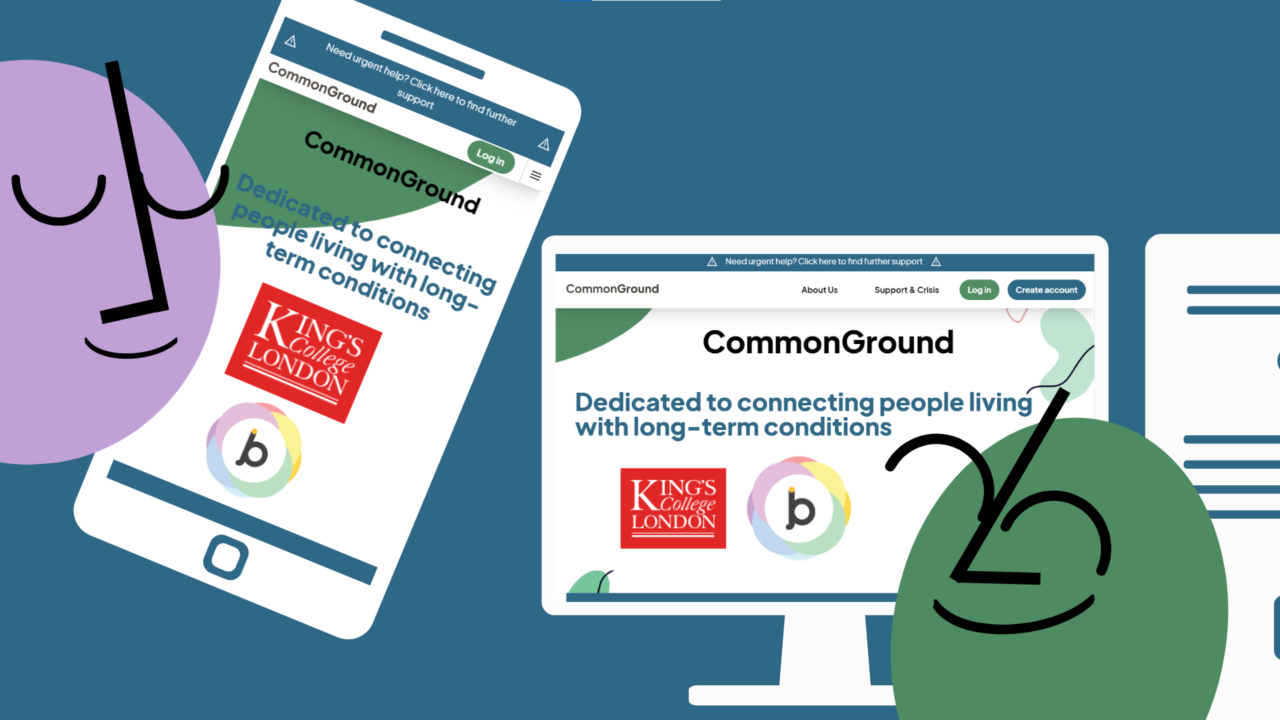
Find out more about the CommonGround project
Online peer support for preventing comorbid depression in people with long-term conditions