
Impact in Qualitative Research: Dr Amna Zaqout on what children’s drawings show us beyond measurement
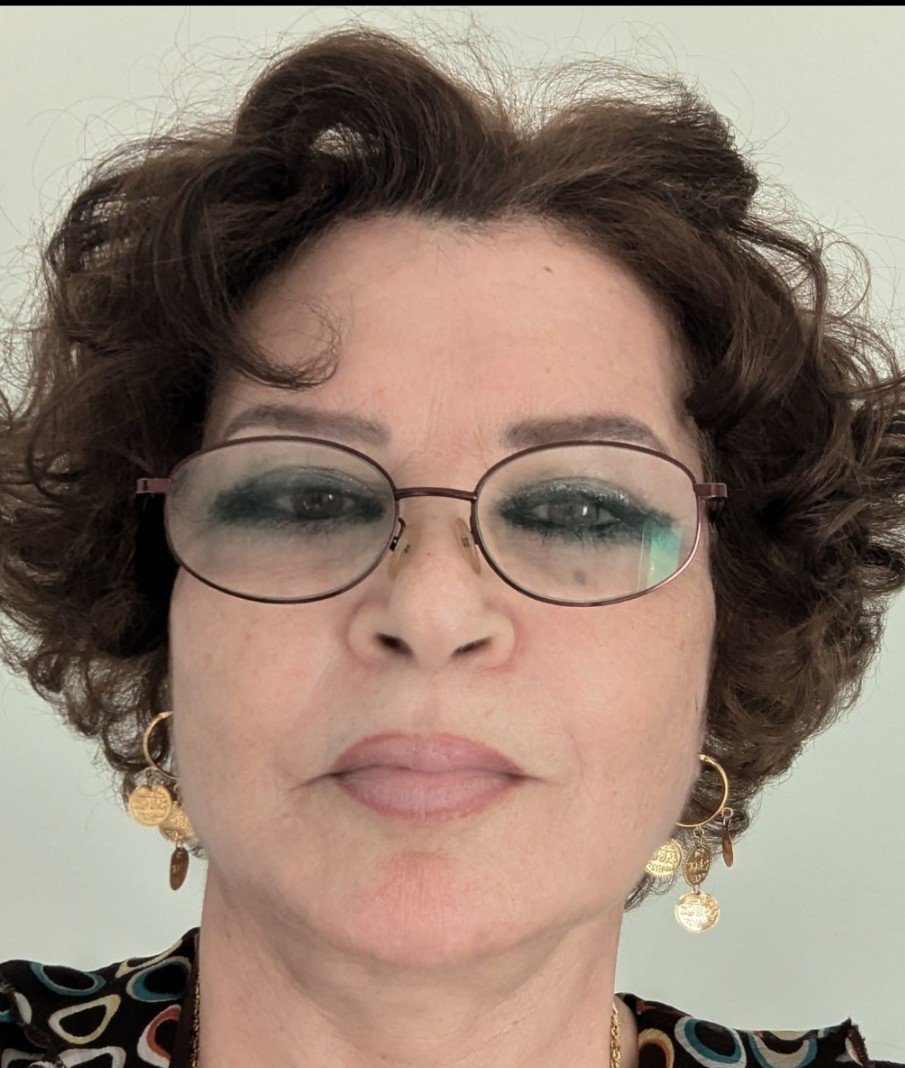
Dr Amna Zaqout, originally from Gaza, Palestine, is a former Associate Professor in Psychology and Mental Health with over 20 years of experience across several universities. Her work bridges qualitative and quantitative approaches to understand psychological experiences across different groups, including children and women, particularly in contexts of trauma and self-concept. Now based in London, she works as a trainer, including in healthy cooking, shares mental health and wellbeing insights through social media, and supports refugee communities through her work with the British Red Cross.
Sometimes, what a child cannot say, they draw. In mental health, researchers often rely on numbers to understand people’s experiences. Scales, assessments and psychometric tools help us identify patterns and guide decisions. They are essential, but in my experience as a mental health researcher and practitioner in Gaza Strip – Palestine, they are not always enough.
Over the years, I began to notice something important: the fuller picture is often not found in the numbers, but in what people express in other ways. This is where qualitative approaches become powerful. They allow us to listen differently and to see what may otherwise remain hidden.
In my work as a mental health researcher and practitioner, I explored this through children’s drawings. I began by using a psychometric scale that I developed as part of my research to understand how children viewed themselves, including their sense of confidence, worth and belonging. Some children’s responses suggested a low self-concept: a more fragile or negative view of themselves. I then invited them to draw, not to label them further, but to understand the feelings and experiences behind those scores. What I found was not simply confirmation of the numbers, but a much deeper human story behind them.
This perspective is grounded in my published research, which explored how children’s drawings can project indicators of low self-concept. Even within a small case study sample, visual expressions in drawings showed meaningful alignment with psychometric measures, while revealing dimensions of experience that quantitative tools alone could not capture.
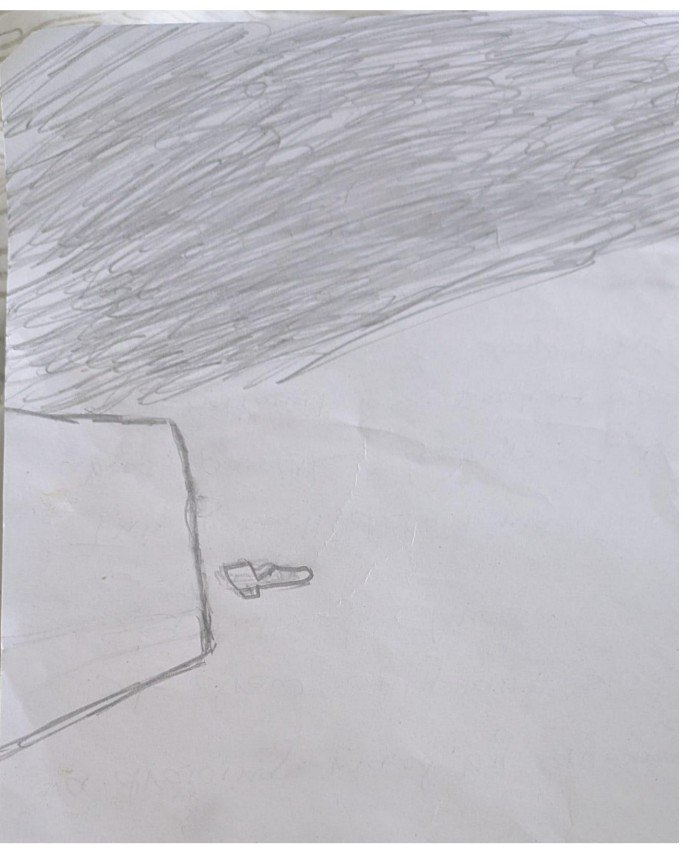
One child drew a single shoe under a cloudy sky. When she explained her drawing, it became clear that this was not simply an image, but a reflection of how she felt: incomplete and emotionally weighed down.
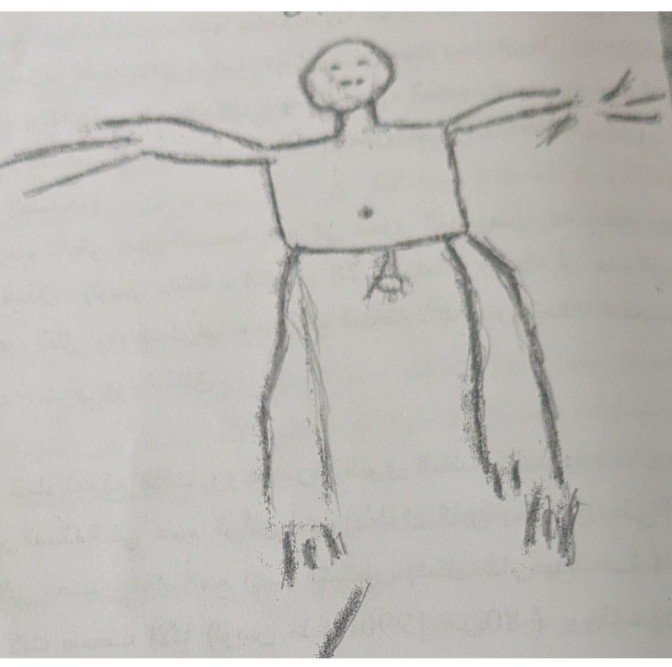
Another child depicted himself naked, with a noticeable emphasis on the male genitalia. This can be understood as an attempt to assert his identity, particularly after being repeatedly called a girl by his peers.
These moments changed how I understand assessment. The drawings did not replace the numbers; they gave them meaning. They helped me move from identifying a problem to understanding the lived experience behind it.
The real impact of this approach lies not only in understanding children differently, but in changing how we respond to them. When drawings are taken seriously as part of assessment, they allow practitioners to recognise emotional distress that might otherwise remain hidden. This can lead to earlier and more sensitive interventions, particularly for children who struggle to express themselves verbally.
One of the most significant implications of this approach is that drawing can serve as a powerful diagnostic tool, offering access to inner conflicts that children often cannot articulate in words. It also shifts the role of the practitioner from someone who measures and categorises to someone who listens and interprets. In this sense, qualitative methods do not simply add to existing tools; they reshape how we understand and engage with psychological experience.
For researchers, this approach opens space to reflect more deeply on what data represents. It challenges us to move beyond measurement and to consider the human stories behind the scores. In contexts such as Gaza, where I conducted much of my work, this becomes even more important. Children growing up in environments shaped by instability and trauma often express themselves indirectly. In these settings, drawing is not just an activity; it becomes a language.
More broadly, this approach invites us to rethink what counts as evidence in mental health. Not everything that matters can be measured and not everything that is measured fully reflects human experience. For me, integrating qualitative and quantitative approaches is not only a methodological choice but an ethical one. It is about recognising that behind every score, there is a person with a story, sometimes spoken and sometimes drawn.